Women’s Health Week: Health Checks Women Shouldn’t Put Off
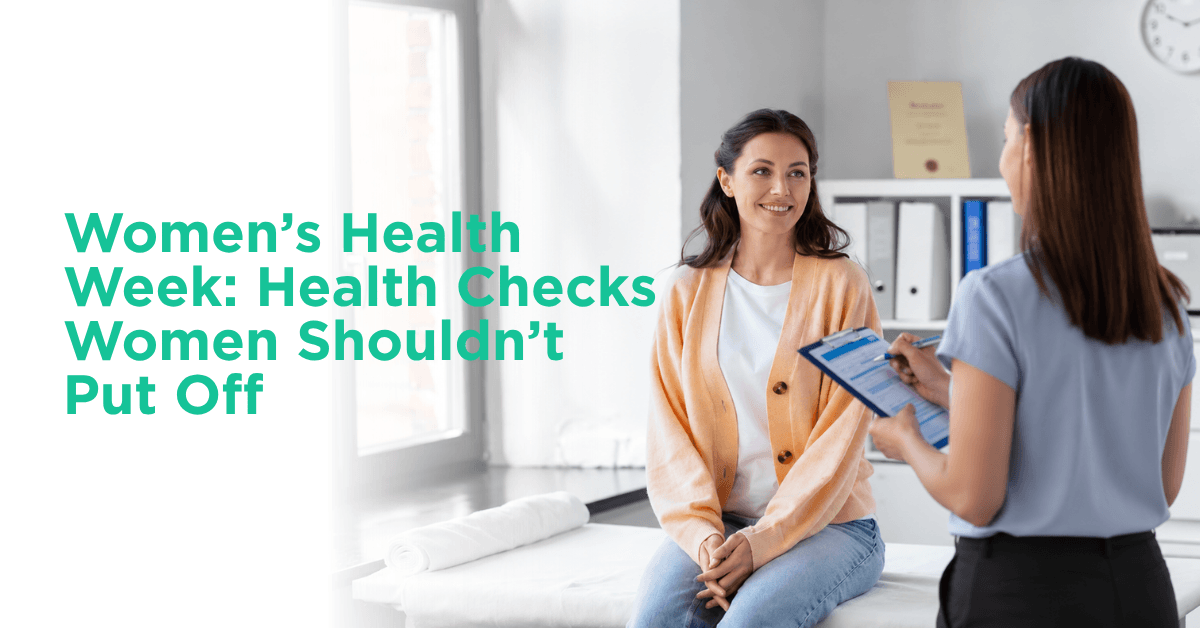
Between work, family, caring responsibilities and everyday commitments, it can be easy to put your own health further down the list.
Women’s Health Week is a useful reminder that preventive healthcare is not only about seeing a doctor when something feels wrong. Regular conversations with your GP can help you stay up to date with recommended screening, discuss changes in your physical or emotional wellbeing, and consider health risks that may become more relevant at different stages of life.
There is no single women’s health check that every woman needs at the same age or frequency. Your healthcare needs depend on factors such as your age, medical and family history, lifestyle, reproductive health and individual risk factors.
Here are some of the health topics worth discussing with your GP.
1. Cervical Screening
Cervical screening is an important part of preventive healthcare for eligible women and people with a cervix.
Australia’s National Cervical Screening Program recommends a Cervical Screening Test every five years for eligible people aged 25 to 74 who have ever had sexual contact. The test looks for human papillomavirus (HPV), which causes almost all cervical cancers.
The Cervical Screening Test replaced the Pap test in Australia in 2017.
If you are eligible, you can generally choose between:
- Self-collecting a vaginal sample using a swab
- Having a healthcare professional collect a cervical sample
Both options are accurate for detecting HPV when used for routine cervical screening.
If you are unsure when your next cervical screening in Lismore is due, your GP can review your screening history and discuss your options.
Importantly, routine screening is intended for people without symptoms. Symptoms such as unusual vaginal bleeding, bleeding after sex or persistent, unusual discharge should be assessed rather than waiting for your next screening test.
2. Breast Health
Knowing what is normal for your breasts can help you recognise changes that need medical assessment.
You do not need to follow a complicated breast self-examination technique. Instead, become familiar with the usual appearance and feel of your breasts.
Changes to discuss with your GP include:
- A new lump or area of thickening
- Changes in breast size or shape
- Nipple inversion that is new
- Unexplained nipple discharge
- Skin dimpling or puckering
- Persistent breast or nipple changes
- Redness or unusual skin changes
- Persistent pain in one area
Most breast changes are not caused by cancer, but new or unusual changes should still be assessed.
What About Mammograms?
In Australia, BreastScreen offers free screening mammograms every two years, primarily targeting women aged 50 to 74. Women aged 40 to 49 and those aged 75 and over are also eligible for free screening.
Screening recommendations may differ for people at increased risk because of their personal or family history.
If you are unsure what breast health screening is appropriate for you, discuss your individual risk with your GP.
3. Blood Pressure
High blood pressure often causes no noticeable symptoms.
Over time, however, it can contribute to cardiovascular disease and other health problems.
A blood pressure check is quick and can form part of a broader general health check in Lismore.
Your GP can advise how often your blood pressure should be measured based on factors such as:
- Your age
- Previous readings
- Family history
- Pregnancy history
- Cardiovascular risk
- Kidney health
- Other medical conditions
If a reading is elevated, further measurements may be needed before determining whether you have hypertension.
4. Heart and Cardiovascular Health
Heart disease is an important woman’s health issue, even though it is sometimes perceived primarily as a men’s health concern.
Cardiovascular risk is influenced by multiple factors, including:
- Blood pressure
- Cholesterol
- Blood glucose
- Smoking
- Physical activity
- Nutrition
- Family history
- Age
- Existing health conditions
Rather than considering these factors individually, a GP can assess how they contribute to your overall cardiovascular risk.
Depending on your age and individual circumstances, you may be eligible for a formal Heart Health Check or other cardiovascular risk assessment.
5. Cholesterol and Blood Glucose
High cholesterol and elevated blood glucose can develop without obvious symptoms.
Your GP may recommend testing depending on your age and risk factors.
Factors that may influence whether testing is appropriate include:
- Family history
- Blood pressure
- Weight
- Smoking
- Previous gestational diabetes
- Polycystic ovary syndrome (PCOS)
- Cardiovascular disease risk
- Other medical conditions
There is no need for every person to request every available blood test at every appointment. Preventive testing is most useful when it is guided by your individual health profile.
6. Contraception and Reproductive Health
Your contraception needs can change throughout your life.
A method that suited you several years ago may no longer be the best fit because of changes in your health, medications, relationships, or reproductive plans.
A GP can discuss contraception options including:
- Oral contraceptive pills
- Intrauterine devices (IUDs)
- Contraceptive implants
- Injections
- Barrier methods
- Other appropriate options
The most appropriate choice depends on individual circumstances. Some hormonal contraceptives, for example, may not be recommended for people with certain health conditions or risk factors.
A contraception advice appointment in Lismore can also be an opportunity to discuss menstrual concerns, sexual health, pregnancy planning and reproductive goals.
7. Period Changes Shouldn’t Always Be Dismissed
Periods can naturally change at different stages of life, but some changes deserve medical attention.
Speak with a GP if you experience:
- Very heavy bleeding
- Periods that last much longer than usual
- Bleeding between periods
- Bleeding after sex
- Significant or worsening pelvic pain
- Periods that suddenly become very irregular
- Periods stopping unexpectedly when pregnancy is possible
There are many possible explanations, including hormonal changes, contraception, pregnancy, fibroids, endometriosis, PCOS and perimenopause.
Assessment can help determine whether further investigation is needed.
8. Preconception and Pregnancy Planning
If you are considering pregnancy, you do not need to wait until you are pregnant to speak with your GP.
Preconception care may involve reviewing:
- Existing medical conditions
- Current medicines and supplements
- Vaccination history
- Folic acid supplementation
- Lifestyle factors
- Previous pregnancy history
- Genetic or family history
- Fertility or menstrual concerns
The recommendations will vary according to individual circumstances.
A preconception of appointment can provide an opportunity to address health considerations before pregnancy begins.
9. Perimenopause and Menopause
Menopause is a natural stage of life, but symptoms can affect wellbeing and everyday activities.
Perimenopause can begin years before the final menstrual period.
Possible symptoms include:
- Changes in periods
- Hot flushes
- Night sweats
- Sleep difficulties
- Mood changes
- Vaginal dryness
- Changes in sexual wellbeing
- Bladder symptoms
- Difficulty concentrating
Healthdirect notes that perimenopause can also have implications for bone, cardiovascular, and reproductive health.
A GP providing menopause care in Lismore can discuss symptoms, individual health risks and available management options.
Treatment is personalised and may include lifestyle strategies, non-hormonal treatments or menopause hormone therapy (MHT) when clinically appropriate.
10. Don’t Ignore Bleeding After Menopause
Vaginal bleeding after menopause should be medically assessed.
Although there are several possible causes and many are not cancerous, postmenopausal bleeding can sometimes indicate a condition that requires further investigation.
Healthdirect advises that any vaginal bleeding after menopause should be checked by a doctor.
Do not wait for a routine check-up or cervical screening appointment if you develop this symptom.
11. Bone Health
Bone strength changes throughout life, and the decline in oestrogen associated with menopause can contribute to bone loss.
Factors that can increase the risk of osteoporosis include:
- Increasing age
- Early menopause
- Family history of osteoporosis
- Low body weight
- Smoking
- Certain medical conditions
- Long-term use of some medicines
- Previous fractures
- Low calcium or vitamin D levels in some circumstances
Not every woman requires routine bone-density testing at the same age.
A GP can assess your risk factors and determine whether bone-density testing or other preventive measures may be appropriate.
12. Mental Health and Emotional Wellbeing
Mental health is an important part of overall health.
Women may experience changes in emotional wellbeing related to:
- Stress
- Work or caring responsibilities
- Relationships
- Pregnancy
- The postnatal period
- Fertility challenges
- Perimenopause and menopause
- Grief
- Chronic illness
- Other life circumstances
Speak with your GP if anxiety, low mood, sleep difficulties, overwhelm, or other emotional concerns are affecting your daily life.
You do not have to wait until symptoms become severe before asking for support.
13. Sexual Health
Sexual health is another topic you can discuss confidentially with your GP.
This may include concerns about:
- Sexually transmitted infections (STIs)
- Contraception
- Pain during sex
- Vaginal dryness
- Changes in libido
- Unusual discharge
- Bleeding after sex
- Pregnancy planning
Depending on your circumstances, your GP may recommend STI testing or other investigations.
14. Skin Changes
Australia’s high UV exposure makes skin awareness an important part of preventive health.
Become familiar with your skin and look for:
- New spots
- Changing moles
- Changes in colour, shape or size
- A lesion that repeatedly bleeds or crusts
- A sore that does not heal
- A spot that looks different from your other moles
There is no population-wide recommendation that every Australian adult have an annual professional skin check. The appropriate approach depends on individual skin cancer risk.
If you notice a new or changing lesion, however, have it assessed rather than waiting for a routine health check.
15. Vaccinations
Vaccination recommendations change throughout adulthood and may depend on your age, health conditions, pregnancy, occupation and other risk factors.
A GP can review whether you are up to date with vaccinations that may be relevant to you.
Pregnancy is particularly important because specific vaccines are recommended during pregnancy to help protect both the pregnant person and baby.
Rather than relying on a vaccination schedule from years ago, ask your GP which vaccines are currently recommended for your circumstances.
Do You Need a ‘Full Women’s Health Check’ Every Year?
There is no single standard annual test package that every woman needs.
Preventive healthcare works best when it is tailored to the individual.
For one woman, the priority might be cervical screening. For another, it might be reviewing blood pressure and cardiovascular risk. Someone else may need contraception advice, pregnancy planning, mental health support or help managing menopause symptoms.
A women’s health check in Lismore can therefore be used to review what is relevant to you, rather than completing unnecessary tests simply because they are available.
Preparing for a Women’s Health Appointment
Before your appointment, it can help to make a short list of anything you want to discuss.
Consider noting:
- Changes in your periods
- Breast changes
- Current contraception
- Pregnancy plans
- Menopause symptoms
- Family medical history
- Medicines and supplements
- Mental health concerns
- Changes in sleep, energy or general wellbeing
- Screening tests you think may be overdue
If you have several concerns, mention this when booking. Some issues may require additional appointment time or a follow-up consultation.
When Should You See a GP Rather Than Wait for a Routine Check?
Preventive screening is designed for people who do not have concerns about symptoms.
Do not wait for your next routine screening appointment if you develop symptoms such as:
- A new breast lump or unusual breast change
- Unexplained vaginal bleeding
- Bleeding after sex
- Bleeding after menopause
- Severe or persistent pelvic pain
- Significant changes in your menstrual cycle
- Symptoms affecting your mental wellbeing
- Any new or worsening symptom that concerns you
Symptoms require individual clinical assessment, even if your previous screening results were normal.
Frequently Asked Questions
What should be included in a women’s health check?
There is no universal checklist. Your GP may discuss screening, blood pressure, cardiovascular risk, reproductive and sexual health, breast awareness, mental wellbeing, contraception, menopause, vaccinations, and other preventive healthcare depending on your age and risk factors.
How often should I have cervical screening ?
Eligible women and people with a cervix aged 25 to 74 who have ever had sexual contact are generally recommended to have an HPV-based Cervical Screening Test every five years.
Can I collect my own cervical screening sample?
Yes. Eligible cervical screening participants can generally choose self-collection using a vaginal swab or clinician collection. The Australian Government states that both methods are safe and accurate for detecting HPV in routine screening.
When should women start having mammograms?
BreastScreen Australia primarily targets women aged 50 to 74 for free mammograms every two years. Women aged 40 to 49 and 75 and over can also access free screening. Individual recommendations may differ for people at higher risk.
Can a GP help with menopause symptoms?
Yes. A GP can assess symptoms associated with perimenopause or menopause and discuss management options based on your symptoms, preferences, medical history, and individual risks.
Should I see a female GP for women’s health concerns?
You can discuss women’s health concerns with an appropriately qualified GP. Some patients prefer to see a female GP in Lismore for examinations or conversations. If you have a preference, you can ask the clinic about available doctors when booking.
The Bottom Line
Women’s Health Week is a useful reminder to consider the health concerns or preventive health checks that may have slipped down your priority list.
From cervical screening and breast health to contraception, reproductive health, cardiovascular risk, mental wellbeing and menopause care, your healthcare needs to change throughout different stages of life.
There is no single checklist that applies to every woman. A GP can help determine which screenings, assessments and health conversations are appropriate based on your age, medical history, and individual risk factors.
If you are due for screening, have noticed a change in your health or simply want to review your women’s health in Lismore. Consider booking an appointment with a GP at Lismore Doctors.
References
- Australian Government Department of Health – National Cervical Screening Program
- Australian Government Department of Health – Cervical Screening Test
- Australian Government Department of Health – Cervical Screening Self-Collection
- Healthdirect Australia – Breast Checks to Detect Breast Cancer
- Healthdirect Australia – Contraception Options
- Healthdirect Australia – Perimenopause