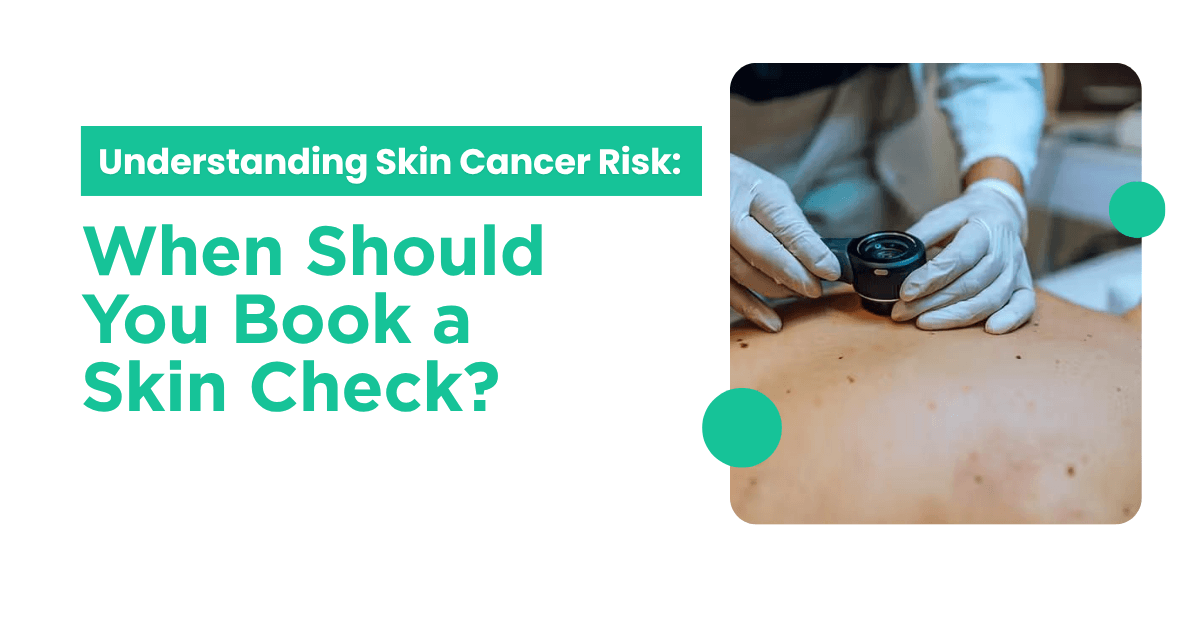
Understanding Skin Cancer Risk: When Should You Book a Skin Check?
Australia has one of the highest rates of skin cancer in the world, making regular skin checks an important part of preventive healthcare. While many skin cancers are highly treatable when detected early, they often develop without causing pain or other obvious symptoms. That’s why recognising your skin cancer risk and knowing when to book a skin check can make a significant difference.
Whether you’ve noticed a changing mole or simply spend a lot of time outdoors, regular skin examinations can help identify suspicious spots before they become more serious.
Why Skin Checks Matter
Skin cancer is the most commonly diagnosed cancer in Australia. The three main types are:
- Basal cell carcinoma (BCC) – the most common and usually slow-growing.
- Squamous cell carcinoma (SCC) – can spread if left untreated.
- Melanoma – less common but the most serious form because it can spread to other parts of the body.
Many skin cancers can be successfully treated when found early. Regular skin cancer screening allows your GP to identify suspicious lesions before they cause complications.
Who Is at Higher Risk of Skin Cancer?
Anyone can develop skin cancer, but some people have a higher risk than others.
Common skin cancer risk factors include:
- Fair skin that burns easily
- Red or blonde hair
- Blue or green eyes
- A history of frequent sunburn, especially during childhood
- High lifetime sun exposure
- Outdoor occupations or hobbies
- Living in Australia for many years
- A large number of moles
- A personal or family history of skin cancer
- A weakened immune system
Even if you have naturally darker skin, skin cancer can still occur, making awareness important for everyone.
What Are the Signs You Need a Skin Check?
Not every skin cancer looks the same. Some appear as changing moles, while others may develop as new spots or sores that never heal.
Signs that warrant a skin cancer check include:
- A mole that changes in size, colour or shape
- A new mole appearing in adulthood
- A sore that does not heal after several weeks
- A spot that bleeds, crusts or becomes itchy
- A rough or scaly patch that continues to grow
- A lump or lesion that looks different from surrounding spots
Many GPs recommend following the ABCDE rule for moles:
- A – Asymmetry: One half doesn’t match the other.
- B – Border: Uneven, irregular or blurred edges.
- C – Colour: Multiple colours or uneven pigmentation.
- D – Diameter: Larger than 6 mm, although melanomas can be smaller.
- E – Evolving: Any noticeable change over time.
If you notice any of these changes, it’s important to arrange a GP skin check promptly.
When Should You Book a Skin Check?
Many people wait until they notice something unusual before seeing a doctor. However, regular skin examinations are recommended even if your skin appears healthy.
You should consider booking a skin check if you:
- Have fair skin or a history of sunburn
- Spend significant time outdoors
- Notice a changing mole or new skin lesion
- Have previously been treated for skin cancer
- Have a close family member with melanoma
- Have many moles or unusual-looking spots
Even without symptoms, regular skin examinations provide reassurance and establish a baseline for future comparisons.
How Often Should You Get a Skin Check in Australia?
There is no single schedule that suits everyone.
The frequency depends on your personal risk factors.
General guidance includes:
- Average risk: Discuss skin checks with your GP during routine health visits.
- Higher risk: Your GP may recommend annual or more frequent examinations.
- Previous skin cancer: Follow your treating doctor’s recommended review schedule.
The Cancer Council recommends becoming familiar with your own skin and seeking medical advice whenever you notice changes.
What Happens During a Skin Cancer Check?
A skin cancer check is a straightforward consultation that usually involves:
Medical History
Your GP will ask about:
- Previous skin cancers
- Family history
- Sun exposure
- Any concerns about changing spots
Skin Examination
Your doctor carefully examines your skin from head to toe, looking for unusual moles, lesions or signs of sun damage.
You may be asked to wear a gown to allow a thorough examination while maintaining your comfort and privacy.
Assessment of Suspicious Spots
If a concerning lesion is identified, your GP may recommend:
- Monitoring the spot
- Taking clinical photographs
- Performing a biopsy
- Removing the lesion
- Referral to a specialist if appropriate
Most skin checks do not result in finding skin cancer, but they provide valuable reassurance.
Skin Cancer Prevention Still Matters
While early detection is essential, prevention remains the best strategy.
Simple ways to reduce your risk include:
- Apply broad-spectrum SPF 50+ sunscreen every day when UV levels are 3 or above.
- Wear protective clothing, including long sleeves and a wide-brimmed hat.
- Use sunglasses that meet Australian standards.
- Seek shade during peak UV hours.
- Avoid intentional tanning.
- Check your skin regularly at home for any changes.
Even people who have had significant sun exposure in the past can still benefit from protecting their skin now.
Does Sun Damage Always Mean Skin Cancer?
Not necessarily.
Many Australians develop sunspots, freckles and other signs of ageing due to UV exposure.
However, cumulative sun damage increases the risk of developing skin cancer later in life.
A sun damage skin check allows your GP to distinguish harmless age-related changes from lesions that require further assessment.
Should Younger Adults Have Skin Checks?
A common question is “What age should I get a skin check?”
There is no minimum age for being aware of your skin health.
While skin cancer becomes more common with increasing age, younger adults, particularly those with fair skin, heavy sun exposure or a family history, should also monitor their skin and seek medical advice if they notice any concerning changes.
Why Early Detection Matters
One of the greatest advantages of regular skin examinations is the opportunity for early detection of skin cancer.
When found early:
- Treatment is often simpler.
- Surgical procedures may be smaller.
- Recovery is generally quicker.
- Outcomes are usually much better.
Waiting until symptoms become obvious can allow some skin cancers, particularly melanoma, to become more advanced.
Skin Checks at Lismore Doctors
Our experienced GPs provide comprehensive skin examinations, helping patients identify suspicious lesions and determine whether further investigation is required.
If you have noticed a changing mole, persistent skin lesion or simply want peace of mind, arranging a skin check in Lismore is a proactive step towards protecting your health.
Frequently Asked Questions
When should you book a skin check?
You should book a skin check if you notice any changing moles, new spots, persistent skin lesions, or if you have significant risk factors such as fair skin, previous skin cancer or heavy sun exposure.
How often should you get a skin check in Australia?
The appropriate frequency depends on your individual risk. People at higher risk may require annual or more frequent skin checks, while others should discuss an appropriate schedule with their GP.
What age should I get a skin check?
There is no specific age when skin checks should begin. Anyone who notices changes to their skin or has increased risk factors should speak with their GP.
How much does a skin cancer check cost?
The cost varies between clinics depending on consultation type and Medicare eligibility. Our reception team can provide current fee information when booking your appointment.
Can I get a skin cancer check near me?
Yes. If you’re looking for a skin cancer check in Lismore, our experienced GPs can assess suspicious moles, skin lesions and provide advice on ongoing skin surveillance.
What are the signs you need a skin check?
Seek medical advice if you notice a changing mole, a sore that won’t heal, bleeding or crusting spots, rapidly growing lesions, or any skin change that concerns you.
The Bottom Line
Australia’s high UV exposure means skin cancer remains a significant health concern, but regular skin checks and early detection can make a substantial difference. Becoming familiar with your skin, protecting yourself from excessive sun exposure and arranging prompt assessment of any concerning changes are simple but important steps in maintaining your long-term health.
If you’re due for a skin check in Lismore, or you’ve noticed a mole or spot that has changed, our experienced team at Lismore Doctors is here to help with comprehensive skin assessments and personalised advice.
References
- Cancer Council Australia. Skin Cancer. https://www.cancer.org.au/cancer-information/types-of-cancer/skin-cancer
- Royal Australian College of General Practitioners (RACGP). Guidelines for Preventive Activities in General Practice (The Red Book). https://www.racgp.org.au/clinical-resources/clinical-guidelines/key-racgp-guidelines/view-all-racgp-guidelines/red-book
- Australian Government Department of Health and Aged Care. Skin Cancer Prevention. https://www.health.gov.au
- Melanoma Institute Australia. Know Your Skin. https://melanoma.org.au