
What Your Blood Pressure Numbers Really Mean for Your Long-Term Health
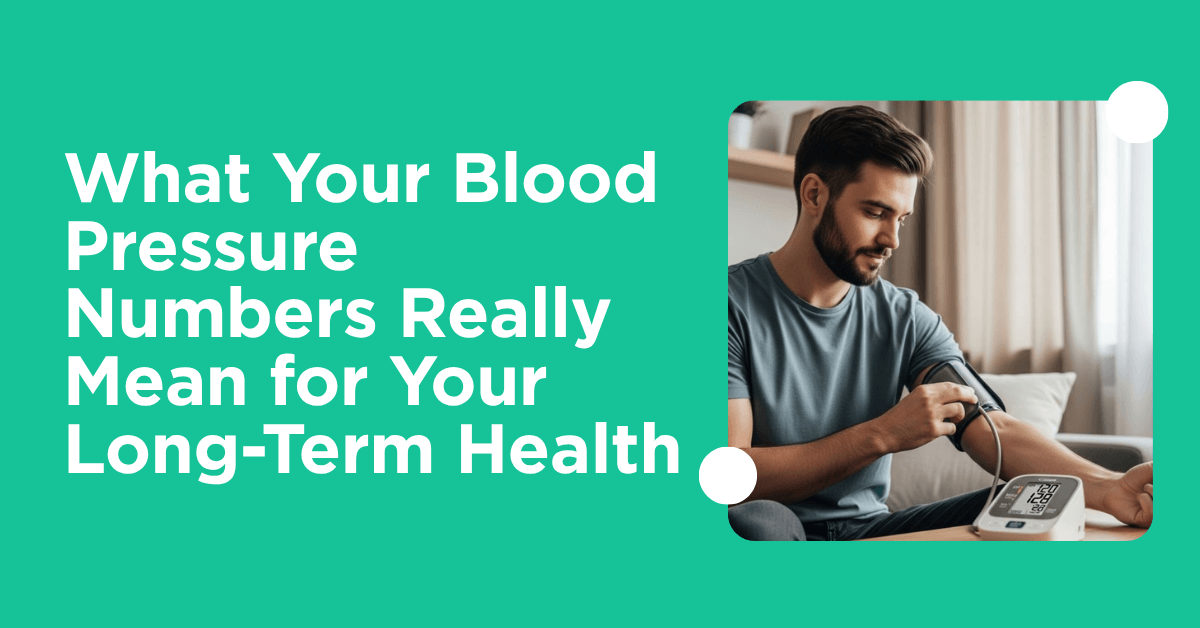
Your blood pressure is one of the simplest measurements your GP can take, yet it provides valuable insight into your long-term health. Understanding your blood pressure numbers can help you identify potential health risks early, often before symptoms develop.
Many Australians live with high blood pressure (hypertension) without knowing it because it rarely causes noticeable symptoms. Regular monitoring and early intervention can significantly reduce the risk of heart disease, stroke, kidney disease and other serious health conditions.
Here’s what your blood pressure reading actually means and why it matters.
What Do Blood Pressure Numbers Mean?
Every blood pressure reading consists of two numbers, for example:
120/80 mmHg
Each number measures a different stage of your heart’s pumping cycle.
Systolic Blood Pressure
The top number is your systolic blood pressure.
It measures the pressure inside your arteries when your heart contracts and pumps blood around your body.
For example:
120 /80
The number 120 represents your systolic pressure.
Diastolic Blood Pressure
The bottom number is your diastolic blood pressure.
It measures the pressure in your arteries when your heart relaxes between beats.
For example:
120/80
The number 80 represents your diastolic pressure.
Both numbers are important, and your GP considers them together when assessing your cardiovascular health.
What Is a Healthy Blood Pressure Range?
According to Australian guidelines, a healthy blood pressure range for most adults is generally:
| Blood Pressure Category | Reading (mmHg) |
|---|---|
| Optimal | Less than 120/80 |
| Normal | Less than 130/85 |
| High-normal | 130–139 / 85–89 |
| High blood pressure (Hypertension)* | 140/90 or higher (confirmed over multiple readings) |
*Hypertension should not be diagnosed from a single reading alone. Your GP may recommend repeated measurements or home blood pressure monitoring before confirming a diagnosis.
Blood pressure naturally fluctuates throughout the day depending on:
- Physical activity
- Stress
- Sleep
- Caffeine intake
- Medications
- Illness
For this reason, trends over time are usually more informative than one isolated reading.
What Is Normal Blood Pressure by Age?
A common question is “What is normal blood pressure by age?”
While blood pressure tends to rise gradually as we age, the treatment targets recommended by Australian guidelines are generally based on overall cardiovascular risk rather than age alone.
Your GP considers:
- Age
- Existing medical conditions
- Diabetes
- Kidney disease
- Previous heart disease
- Frailty in older adults
rather than simply accepting higher blood pressure as a normal part of ageing.
Is Normal Blood Pressure Different for Women?
Many people ask about normal blood pressure for women.
For most healthy adults, the target blood pressure ranges are generally similar for men and women.
However, some life stages may influence blood pressure, including:
- Pregnancy
- Menopause
- Certain hormonal medications
Pregnant women require specialised blood pressure monitoring because elevated blood pressure during pregnancy can indicate serious conditions requiring prompt medical attention.
When Is Blood Pressure Considered High?
High blood pressure, also known as hypertension, occurs when blood pressure remains consistently above the recommended range.
Most people experience no symptoms at all.
This is why hypertension is often called the “silent killer.”
Over time, untreated hypertension increases the risk of:
- Heart attack
- Stroke
- Heart failure
- Kidney disease
- Vision problems
- Peripheral artery disease
- Dementia
The good news is that hypertension can often be effectively managed through lifestyle changes, medication, or a combination of both.
What About Low Blood Pressure?
Not everyone has high blood pressure.
Low blood pressure (hypotension) is generally considered when readings fall below approximately 90/60 mmHg, although some healthy people naturally have lower blood pressure without any problems.
Low blood pressure may cause:
- Dizziness
- Light-headedness
- Fainting
- Blurred vision
- Fatigue
If low blood pressure is causing symptoms, it’s worth discussing with your GP.
Why Regular Blood Pressure Monitoring Matters
Because hypertension rarely causes symptoms, regular blood pressure monitoring is one of the simplest ways to protect your long-term health.
Routine monitoring helps:
- Detect hypertension early
- Monitor treatment effectiveness
- Assess cardiovascular risk
- Prevent complications
- Track changes over time
Your GP may recommend home blood pressure monitoring if readings vary during clinic visits or if ongoing monitoring is required.
Blood Pressure and Long-Term Health
Blood pressure affects nearly every major organ in the body.
Over many years, poorly controlled hypertension can damage:
Heart
High blood pressure forces the heart to work harder, increasing the risk of:
- Coronary artery disease
- Heart failure
- Heart attack
Brain
Hypertension is one of the leading risk factors for stroke and vascular dementia.
Kidneys
The kidneys contain delicate blood vessels that can become damaged over time, leading to chronic kidney disease.
Eyes
Persistent hypertension can damage the blood vessels in the retina, potentially affecting vision.
Managing blood pressure early is an important part of chronic disease prevention.
How to Lower Blood Pressure Naturally
Lifestyle changes remain one of the most effective ways to reduce blood pressure.
Your GP may recommend:
Maintain a Healthy Weight
Even modest weight loss can improve blood pressure for many people.
Be Physically Active
Aim for regular moderate-intensity exercise throughout the week, following current Australian physical activity guidelines.
Reduce Salt Intake
Many Australians consume more sodium than recommended.
Choosing fresh foods and limiting processed foods can help reduce overall salt intake.
Eat a Heart-Healthy Diet
A diet rich in:
- Vegetables
- Fruit
- Whole grains
- Legumes
- Lean protein
- Healthy fats
supports cardiovascular health.
Limit Alcohol
Reducing alcohol intake may help lower blood pressure.
Quit Smoking
Smoking damages blood vessels and significantly increases cardiovascular risk.
Manage Stress
While stress alone does not usually cause chronic hypertension, healthy stress management supports overall wellbeing.
If lifestyle changes alone are insufficient, medication may also be recommended.
When Should You Have a Blood Pressure Check?
Adults should discuss the frequency of blood pressure checks with their GP, particularly if they:
- Are over 40 years old
- Have diabetes
- Have kidney disease
- Are overweight
- Smoke
- Have high cholesterol
- Have a family history of heart disease
- Have previously had elevated readings
Regular monitoring is often included as part of a GP health check or cardiovascular health check.
Blood Pressure Checks at Lismore Doctors
At Lismore Doctors, our GPs provide comprehensive blood pressure assessments as part of routine health care and preventative health checks.
If your blood pressure is elevated, we’ll work with you to develop an individual management plan that may include lifestyle advice, further investigations or medication where appropriate.
Monitoring your blood pressure regularly is one of the simplest ways to support your long-term heart and vascular health.
Frequently Asked Questions
What do blood pressure numbers mean?
The top number (systolic) measures pressure when your heart pumps blood, while the bottom number (diastolic) measures pressure when your heart relaxes between beats.
What is normal blood pressure by age?
Healthy blood pressure targets are generally based on your overall cardiovascular risk rather than age alone. Your GP can advise what is appropriate for your individual circumstances.
What is systolic blood pressure?
Systolic blood pressure is the pressure inside your arteries when your heart contracts and pumps blood throughout the body.
What is diastolic blood pressure?
Diastolic blood pressure measures the pressure in your arteries while your heart relaxes between beats.
When is blood pressure considered high?
Blood pressure is generally considered high when it remains consistently at or above 140/90 mmHg, confirmed over multiple readings by your healthcare provider.
Can a GP help monitor blood pressure?
Yes. Your GP can measure your blood pressure, assess your cardiovascular risk, recommend lifestyle changes, arrange further investigations if required and provide ongoing monitoring or treatment.
The Bottom Line
Your blood pressure numbers provide valuable information about your long-term health, even if you feel perfectly well. Because high blood pressure often develops silently, regular monitoring allows early detection and timely management before complications occur.
If you’re due for a blood pressure check in Lismore or would like a comprehensive preventative health check, our experienced team at Lismore Doctors is here to help you take proactive steps towards better cardiovascular health.
References
- Royal Australian College of General Practitioners (RACGP). Guidelines for Preventive Activities in General Practice (The Red Book). https://www.racgp.org.au/clinical-resources/clinical-guidelines/key-racgp-guidelines/view-all-racgp-guidelines/red-book
- Healthdirect Australia. High Blood Pressure (Hypertension). https://www.healthdirect.gov.au/high-blood-pressure-hypertension
- Australian Government Department of Health and Aged Care. Heart Health Information. https://www.health.gov.au